

Customs clearance for imported equipment is not a simple declaration upon vessel arrival. Pre‑document preparation, tariff classification and permit application directly determine the overall clearance duration. The clearance timeframe for imported equipment is greatly affected by whether the equipment is new or used, customs inspection selection and document completeness. Adequate advance preparation helps enterprises effectively avoid risks such as port detention and document rejection. This article is intended for manufacturing plants, trade agents and project purchasers who plan to procure new or used imported equipment and need to estimate arrival lead‑time and schedule project timelines.
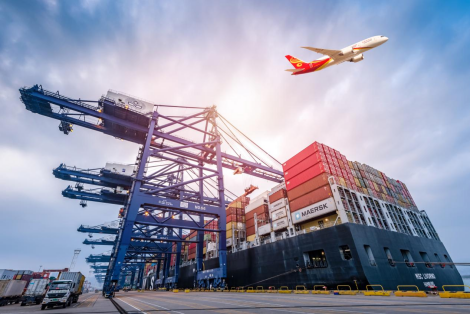
Image Source:699pic.com
I. Complete Checklist of Customs Clearance Steps for Imported Equipment
Pre‑document Review and Qualification Application (3‑7 working days)
Prior to cargo arrival, complete preliminary HS code classification, and sort out contracts, commercial invoices, packing lists, bills of lading and equipment technical specifications. For regulated imported equipment, apply for an Automatic Import Licence. Used imported equipment shall undergo pre‑shipment inspection by CCIC to obtain the CCIC inspection certificate. Documents may be reviewed in advance via the International Trade Single Window to reduce the risk of subsequent document rejection. Customs clearance for imported equipment is not a simple declaration upon vessel arrival. Pre‑document preparation, tariff classification and permit application directly determine the overall clearance duration. The clearance timeframe for imported equipment is greatly affected by whether the equipment is new or used, customs inspection selection and document completeness. Adequate advance preparation helps enterprises effectively avoid risks such as port detention and document rejection. This article is intended for manufacturing plants, trade agents and project purchasers who plan to procure new or used imported equipment and need to estimate arrival lead‑time and schedule project timelines.
Document Exchange upon Vessel Arrival (1 working day)
After vessel arrival, exchange the original bill of lading or telex release bill of lading for a delivery order from the shipping company. Verify container numbers and package quantities, and authorize a customs broker to initiate the declaration process simultaneously.
Online Inspection and Customs Declaration (1‑3 working days)
Submit inspection and customs declarations concurrently on the Single Window. The nameplate parameters, model and origin of imported equipment must be consistent with supporting documents. Chinese translations are required for technical materials; inconsistent information will result in direct rejection for re‑declaration.
Customs Document Examination, Duty Payment and Inspection (1‑5 working days)
Once system‑based document examination is passed, tax notices will be issued for enterprises to complete online duty payment. If selected for inspection, physical imported equipment, nameplates and accessories will be verified on‑site. Ordinary container inspections take 1‑2 days. Duration will be extended in cases of price verification or supplementary document submission.
Port Release and Destination Inspection (1‑7 working days)
Port release does not mean the equipment can be immediately put into production. Some imported equipment is subject to destination quarantine and inspection. Formal production can only commence after obtaining inspection certificates, followed by trucking arrangements to deliver goods to the factory site.
II. Reference Comparison of Clearance Timeframes for Imported Equipment
Clearance durations vary significantly for different types of imported equipment, mainly falling into two categories: brand‑new standard imported equipment and used imported equipment. Brand‑new standard imported equipment involves simple formalities with no CCIC inspection required. Under ideal conditions without customs inspection, total clearance takes 3‑7 working days; if selected for customs inspection during clearance, the timeframe extends to 7‑12 working days. Used imported equipment involves more complicated procedures and requires additional overseas CCIC pre‑shipment inspection. Its standard clearance period without inspection is 10‑15 working days, and may reach 15‑20 working days when an inspection is triggered.
According to the 2025‑2026 White Paper on China Customs Brokerage Service Industry released by China Customs Brokers Association, the inspection selection rate for mechanical and electrical imported equipment stands at approximately 4.7%. Misclassification and missing documents are the top causes of clearance delays. (Source: China Customs Brokers Association, 2026). Many enterprises neglect pre‑arrival permit processing and only complete formalities after cargo arrives at port, which incurs high container detention and port demurrage charges.
III. Practical Tips to Shorten Clearance Time for Imported Equipment
Conduct preliminary tariff classification as a priority, confirm regulatory requirements for imported equipment, and apply for licences, 3C exemption certificates and other documents in advance instead of waiting for cargo arrival.
Ensure full consistency across all documents; nameplate information on equipment shall fully match customs declaration contents.
Pre‑shipment inspection must be completed in advance for used imported equipment. Tampered or illegible nameplates are prohibited.
Enterprises with AEO Advanced Certification enjoy customs clearance facilitation, which lowers the inspection probability for imported equipment and further shortens lead‑time.
When arranging project production schedules, enterprises shall not only calculate sea transportation time but also reserve buffer time for variable clearance cycles of imported equipment, so as to prevent factory production plans from being disrupted by clearance delays.
Please click to consult us immediately or call the hotline: 4006-979-616We will solve the problems in your heart in detail。Online consultation